
 speak/sing/shrieking in full effect, Can released not merely one of the best Krautrock albums of all time, but one of the best albums ever, period. Tago Mago rhythm section pounding out a monster trance/funk beat; is that rarity of the early '70s, a double album without a wasted note, ranging from sweetly gentle float to full-on monster grooves. "Paperhouse" starts things brilliantly, beginning with a low-key chime and beat, before amping up into a rumbling roll in the midsection, then calming down again before one last blast. Both "Mushroom" and "Oh Yeah," the latter with Schmidt filling out the quicker pace with nicely spooky keyboards, continue the fine vibe. After that, though, come the huge highlights -- three long examples of Can at its absolute best. "Halleluwah" -- featuring the Liebezeit/CzukayKaroli's and Schmidt's always impressive fills and leads; and Suzuki's slow-building ranting above everything -- is 19 minutes of pure genius. The near-rhythmless flow of "Aumgn" is equally mind-blowing, with swaths of sound from all the members floating from speaker to speaker in an ever-evolving wash, leading up to a final jam. "Peking O" continues that same sort of feeling, but with a touch more focus, throwing in everything from Chinese-inspired melodies and jazzy piano breaks to cheap organ rhythm boxes and near babbling from Suzuki along the way. "Bring Me Coffee or Tea" wraps things up as a fine, fun little coda to a landmark record.
Friday, March 17, 2006
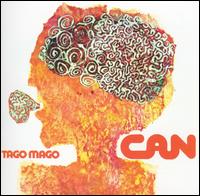
Can - Tago Mago
With the band in full artistic flower and Suzuki's sometimes moody, sometimes frenetic speak/sing/shrieking in full effect, Can released not merely one of the best Krautrock albums of all time, but one of the best albums ever, period. Tago Mago rhythm section pounding out a monster trance/funk beat; is that rarity of the early '70s, a double album without a wasted note, ranging from sweetly gentle float to full-on monster grooves. "Paperhouse" starts things brilliantly, beginning with a low-key chime and beat, before amping up into a rumbling roll in the midsection, then calming down again before one last blast. Both "Mushroom" and "Oh Yeah," the latter with Schmidt filling out the quicker pace with nicely spooky keyboards, continue the fine vibe. After that, though, come the huge highlights -- three long examples of Can at its absolute best. "Halleluwah" -- featuring the Liebezeit/CzukayKaroli's and Schmidt's always impressive fills and leads; and Suzuki's slow-building ranting above everything -- is 19 minutes of pure genius. The near-rhythmless flow of "Aumgn" is equally mind-blowing, with swaths of sound from all the members floating from speaker to speaker in an ever-evolving wash, leading up to a final jam. "Peking O" continues that same sort of feeling, but with a touch more focus, throwing in everything from Chinese-inspired melodies and jazzy piano breaks to cheap organ rhythm boxes and near babbling from Suzuki along the way. "Bring Me Coffee or Tea" wraps things up as a fine, fun little coda to a landmark record.
speak/sing/shrieking in full effect, Can released not merely one of the best Krautrock albums of all time, but one of the best albums ever, period. Tago Mago rhythm section pounding out a monster trance/funk beat; is that rarity of the early '70s, a double album without a wasted note, ranging from sweetly gentle float to full-on monster grooves. "Paperhouse" starts things brilliantly, beginning with a low-key chime and beat, before amping up into a rumbling roll in the midsection, then calming down again before one last blast. Both "Mushroom" and "Oh Yeah," the latter with Schmidt filling out the quicker pace with nicely spooky keyboards, continue the fine vibe. After that, though, come the huge highlights -- three long examples of Can at its absolute best. "Halleluwah" -- featuring the Liebezeit/CzukayKaroli's and Schmidt's always impressive fills and leads; and Suzuki's slow-building ranting above everything -- is 19 minutes of pure genius. The near-rhythmless flow of "Aumgn" is equally mind-blowing, with swaths of sound from all the members floating from speaker to speaker in an ever-evolving wash, leading up to a final jam. "Peking O" continues that same sort of feeling, but with a touch more focus, throwing in everything from Chinese-inspired melodies and jazzy piano breaks to cheap organ rhythm boxes and near babbling from Suzuki along the way. "Bring Me Coffee or Tea" wraps things up as a fine, fun little coda to a landmark record.
Subscribe to:
Post Comments (Atom)
Popular Posts of the Week
-
 The Bluetones is completely different for me, i play their Bluetonic, Talking to Clarry, Things Change and other great songs from their best...
 -
History They originally called themselves The Reactionaries , with additional band member and singer Martin Tamburovich. According to Watt, ...
-
I feel like I got caught in a erotic relationship with a random person every time I play his song. It even feels like you are lost in Lond...
-
IAMX is one of those amazing creations by Chris Corner and it has been going around for a while now. His music is so unique and always tak...
-
The titles in Legacy's 16 Biggest Hits series have been so well done otherwise that it is surprising its Johnny Cash title is such a d...
-
The follow-up to the poorly received Thank You, an album of covers, this album finally made John Taylor leave the band. In January 1997, wh...
-
Interpol are often accused of paying more attention to their haircuts than music. But good grooming habits don't always equate hollow so...


 Posts
Posts


0 COMMENTS:
Post a Comment